
| 都市菜園 | |
| 有機菜園 | |
| 土をつくる | |
| 小さな農場 | |
| はじめに 持続可能な農業 小さな農場 参考文献 |
|
| 小さな農場情報集 | |
| 農にかえる | |
| 小さな農場 | |
| 有機農 | |
| 土の管理 | |
| 持続可能な農業 | |
| 一般的な情報 | |
| 食糧の保管と貯蔵 | |
| データベース | |
| CSA-地域に支えられた農業 | |
| 木と耕す | |
| アグロフォレストリー 竹 情報集 |
|
| 動物と耕す | |
| はじめに 家畜の情報集 牛 羊 その他 小さな家畜 |
|
| 草地 | |
| はじめに 草地の情報集 サイレージ |
|
| 小さな農場の豚 | |
| 豚に鼻がある理由 日本での例 イブ・ヴァルファーの豚 草原の豚 豚の情報集 |
|
| 小さな農場むけ家禽 | |
| マスコビー(野バリケン) カーキ キャンベル にわとり ガチョウ うさぎ ホロホロチョウ 一般的なコツ タダの空気から高タンパク飼料を作る方法 鳥たちのボランティア ペットではない いざ! 鳥の絞め方 |
|
| 小さな農場むけ家禽の情報集 | |
| 小さな農場の水産養殖 | |
| はじめに 養殖の情報集 |
|
| 小さな農場での堆肥作り | |
| 堆肥の基本 農場での堆肥作り情報集 |
|
| 草と虫を管理する | |
| 「雑草」 草管理のための情報集 「害虫」 殺虫剤はいらない 虫管理のための情報集 |
|
| 小さな農場図書館 | |
講演・セミナーのご案内
持続可能な食とエネルギーについてお話しします
| トップ | |
| メディア掲載とコメント集 | |
| 手づくり企画の紹介 | |
| 冒険が始まった経緯 |
|
| サイトマップ | |
| プロジェクト | |
| 地域の自立を目指す | |
| この企画を進める理由 | |
| Rural development | |
| Fixing what's broken | |
| 都市農園 | |
| 街が食糧を育て始めた! | |
| 有機菜園のススメ | |
| 庭で部屋で栄養たっぷりの野菜を育てる方法 | |
| 土をつくる | |
| すべての健康は土から始まる | |
| 小さな農場 | |
| 自由と自立への道 | |
| バイオ燃料 | |
| 地域で育てるエネルギー | |
| 太陽熱コンロ | |
| 森と人を救うソーラー・クッカー | |
| 森と土と水と | |
| 山の危機はみんなの危機 | |
| 世界の種子 | |
| 種がなければ食もなし | |
| Appropriate technology | |
| What works and fits | |
| Project vehicles | |
| The workhorses | |
| インターネット | |
| 何がそんなに画期的なのか? | |
| Internet interaction | |
| 必要な情報を探し出すには | |
| 教育企画 | |
| 教育企画の活用方 | |
| バイオ燃料 | |
| 太陽熱コンロ | |
| 空き缶で作る簡単コンロ | |
| 超小型風力発電機 | |
| 電源のいらないローテク・ラジオ | |
| 段ボール箱の活用法 | |
| 絹の姉妹 | |
| 靴箱で蚕を育てる | |
| 学校菜園 | |
| 土をつくる | |
| 池もつくる | |
| 手づくり天然蚊よけスプレー | |
| ネットで参加できる教育プログラム | |
| ネットで使える教育関係情報集 | |
| 連絡先 手づくり企画「ジャーニー・トゥ・フォーエバー」 http://journeytoforever.org/jp/ 〒622-0291京都府船井郡 京丹波町郵便局 私書箱6号 キース・アディソン (英語) 平賀緑 (日本語&英語) midori@journeytoforever.org ジャーニー・トゥ・フォーエバーを応援してください! 今後ともプロジェクトを進めていくためにご支援いただけましたら幸いです。ありがとうございました。 |
食糧問題・食料問題のページ
~100億人分の食糧をまかなえる世界で
なぜ8億の人が飢えるのか~
CSA--地域に支えられた農業
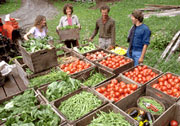
今、欧米世界でも注目されているCommunity Supported Agriculture(略してCSA。直訳すると「地域に支えられた農業」) は、日本で30年前に始まった生産者と消費者の「産消提携」にルーツがあると言われている。(日本有機農業研究会による「生産者と消費者の提携」とは?)
 (CSA North America) |
とはいえCSAは全体からみるとまだ少数派。大多数のアメリカ人は自分が食べている物がどこで生産されたものか知らない。実際、アメリカ人が食べている食料の90%は国外から輸入され、食卓にたどり着くまでに平均1,300マイル(約2,100キロメートル)も運送されている。アメリカだけではない。日本も他の工業国も都市部の人たちが食べている物は遠方から運ばれた物が多い。
自分が食べる物がどこからきたのか、どうやって作られたのか、知りたいと思う消費者は増えている。これがCSAや小規模農家に新しい販売ルートを開拓するチャンスとなっている。特に持続可能なシステムの生産者にとって朗報だ。
CSAにはいろんな仕組みのところがあるけれど、一般的に消費者は会費などの形で一定額を前払いし、豊作・不作などのリスクを生産者と分担する。農作業や配布の作業を分担することも多い。そして収穫の「恵み」を分かち合う---新鮮な高品質の食べ物を一般の小売り価格より安く入手するだけでなく、大地とのつながり、自然への親しみなど食費以上の価値を得ることができる。
会員は数十人の所から百人を越える所まで大小さまざま。農場は平均35エーカーと小規模のところが多い。
CSAの最大の成果は農業と食べ物をその地域に取り戻すこと。 それぞれの地域に適した形にCSAの仕組みを築き上げたら、それは地域全体にとって大きなプラスになるだろう。
ぜひCSAを始めたいけど、近くにCSAがない? だったら新しいCSAを作ってみたら?
情報集
(翻訳作業中) "Sharing the Harvest -- A Guide to Community Supported Agriculture" by Elizabeth Henderson, 1999, Chelsea Green, ISBN 1890132233
An indictment of the current food production and distribution system, and a solution, via Community Supported Agriculture -- the farm feeds the people, the people support the farm and share in the inherent risks and potential bounty. Setting up a CSA, with options and cautions for each step, with the best examples of CSA farms the authors could find. Nuts and bolts, money matters, legalities, growing, harvesting, distributing, how to include low-income members, community food security. References and a resource list. Written by a farmer and respected CSA leader and pioneer. From Chelsea Green:
http://www.chelseagreen.com/Sharing/
From Community Bookshelf:
http://bookshelf.ic.org/books/sharing-the-harvest.html
"Community Supported Agriculture -- Business Management Series", Appropriate Technology Transfer for Rural Areas (ATTRA). Community Supported Agriculture (CSA) is both a marketing technique and a way of life. CSAs across the country are helping farmers make ends meet. This publication discusses the basics of CSAs, how they work, how to get started, how to retain shareholders. Reading list, resources, organizations, publications, websites.
http://www.attra.org/attra-pub/csa.html
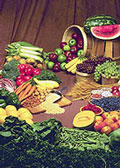 Community Supported Agriculture (CSA). This US information resource is a cooperative effort between the Cooperative State Research Education and Extension Service (CSREES) and the National Agricultural Library (NAL) of the US Department of Agriculture (USDA). General information, state-by-state listing of CSA farms, CSA resources for farmers, sustainable agriculture resources, nutrition and health, organic recipes, web and other resources, books and recent articles and more.
http://www.nal.usda.gov/afsic/csa/
The Biodynamic Association provides a list of all CSAs in the US and Canada. Also has brochure: "Introduction to Community Supported Farms and Farm Supported Communities".
http://www.biodynamics.com/csa.html
The Community Farm Newsletter -- "A Voice For Community Supported Agriculture": quarterly newsletter for people interested in community supported agriculture ("community shared agriculture" in Canada). A forum for CSA growers, farm members and prospective CSA farmers to explore ideas, techniques, organic farming, small farm preservation, sustainable agriculture. Publishers are CSA farmers Northern Michigan.
http://www.gks.com/TCF/
"What is CSA?" from Community Supported Agriculture of North America at University of Massachusetts Extension. Informative what-is, plus Resource List: publications, periodicals, videos, organizations; Canadian CSA farm listings, US CSA farm listings.
http://www.umass.edu/umext/csa/about.html
CSA-L@prairienet.org email list on Community Supported Agriculture:
http://www.prairienet.org/pcsa/CSA-L/
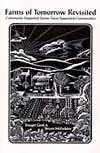 "Farms of Tomorrow Revisited: Community Supported Farms, Farm Supported Communities" by Trauger M. Groh, revised 1997, Biodynamic Farming and Gardening Association, ISBN 0-938250-13-2
"Farming is everyone's responsibility, and has likewise to be accessible for everyone," says the author. Most people have never met a farmer or seen a potato in the ground. Explains why society needs smaller farms that care for the land and their communities and produce a bounty of healthy produce for the consumer. Ten examples of CSA (Community Supported Agriculture) farms with first-hand information and advice from the farmers themselves. Valuable to anybody interested in the CSA movement in the United States (or the world), or to farmers wishing to start their own CSA program. Helpful appendices on getting started, acquiring land, sample budgets, and typical CSA shares are included. From Powell's Books:
http://www.powells.com/biblio/125000-125200/0938250132.html
From Chelsea Green:
http://www.chelseagreen.com/DP/FarmsTomorrow.htm
 "Rebirth of the Small Family Farm" by Bob and Bonnie Gregson, 1996
"A first-person account of a rewarding second career in Community Supported Agriculture. A great introduction to subscription farming." From Alternatives for Simple Living:
http://www.simpleliving.org/catalog/
BuildingComm.html#RebirthoftheSmallFamilyFarm
"Creating a Market -- Getting started in Community Supported Agriculture" by Sarah Milstein, Mother Earth News, Feb/March 1999. Clear view of the CSA option, focus on one farm family's experience, good advice on how to proceed, do's and don'ts. Start small and grow slowly -- plan ahead. And the rewards: "Four or five members are coming up from the city tomorrow to plant garlic with us. It's amazing to me that people are going to take the time and expense to help out because they care about next year. That level of commitment has been very reassuring for us. It makes us step back sometimes and appreciate our farm and what we do."
http://www.motherearthnews.com/gardening/gar172.csa.middle.html
"A Share in the Harvest -- A feasibility study for community supported agriculture", Soil Association, 2001 -- Looks at how community supported agriculture (CSA) can help in the development of local and sustainable food economies. Investigates community involvement in farming around the globe and in a number of established and planned CSA initiatives in England. Eleven case studies.
http://www.soilassociation.org/sa/saweb.nsf/24ffc96e2350a4e680256
ab10047def0/661fa3dbd759a0e480256ae200745434?OpenDocument
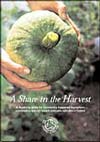 "A Share in the Harvest -- an action manual for community supported agriculture", Soil Association, 2001 -- A practical guide to support farmers/growers, consumers and activists who wish to develop community supported agriculture (CSA) initiatives. Uses experiences from CSA farms in the UK and overseas and includes information on CSA models, membership, finance and legal issues, land and share issues, grant advice and useful publications.
http://www.soilassociation.org/sa/saweb.nsf/45663f98fc3fd56580256
a9300536789/cc3294753eff891a80256b79005e97e6?OpenDocument
National Association of Farmers Markets, UK -- Farmers' Markets are for all kinds of food producers and offer a low-cost entry point for many farmers who have not 'sold direct' before. Farmers' markets are the embodiment of the availability of home grown foods. They are the British farming industry's most high-profile shop-window. Market guidelines, starting a market, find local markets, and more.
http://www.farmersmarkets.net/